


Reliability, Quality, and Simplicity: The Future of Supply Chain Management with RPP
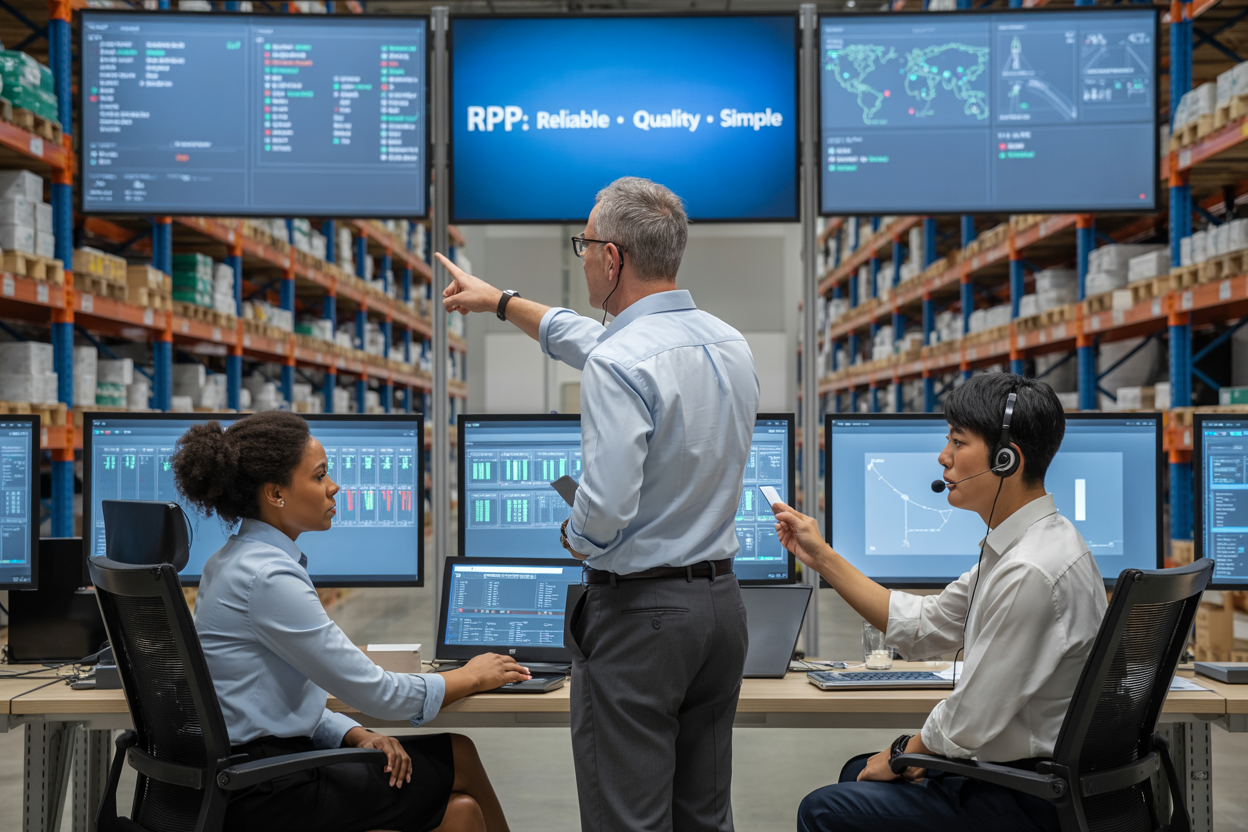
Reliability, Quality, and Simplicity: The Future of Supply Chain Management with RPP

Supply chain disruptions are crushing business operations across every industry. From unreliable suppliers missing critical deadlines to quality issues that damage brand reputation, companies are struggling to maintain consistent operations while managing complex procurement processes.
This guide is for procurement managers, supply chain directors, and business owners who are tired of juggling multiple suppliers, dealing with quality inconsistencies, and watching their teams waste time on complicated sourcing processes that should be simple.
RPP’s reliability, quality, and simplicity approach transforms how businesses manage their supply chains. We’ll walk through how RPP tackles today’s biggest supply chain challenges with dependable supplier networks that actually deliver on time. You’ll also discover how their quality assurance systems protect your brand from costly mistakes, and why their streamlined one-stop solution eliminates the procurement headaches that slow down your business.
Ready to see how the right supply chain partner can turn your biggest operational pain points into competitive advantages? Let’s dive into what makes RPP different and how it can work for your business.
Current Supply Chain Challenges Affecting Business Operations

Unreliable Supplier Relationships Causing Production Delays
Production schedules collapse when suppliers fail to deliver on their commitments. Manufacturing companies regularly face the nightmare of halted assembly lines because a critical component arrived three weeks late or never showed up at all. This domino effect ripples through entire operations, forcing businesses to scramble for alternative suppliers at premium prices while disappointing customers with delayed deliveries.
The root causes run deeper than simple logistics failures. Many suppliers operate with outdated systems that provide poor visibility into their own production capacity. They make promises based on optimistic projections rather than realistic assessments of their capabilities. When demand spikes or unexpected issues arise, these suppliers prioritize larger clients, leaving smaller businesses in the lurch.
Communication breakdowns amplify the problem. Suppliers often fail to provide early warning when delays become inevitable, leaving procurement teams with no time to implement backup plans. This lack of transparency creates a reactive environment where businesses constantly fight fires instead of executing strategic plans.
Inconsistent Product Quality Leading to Customer Dissatisfaction
Quality variations across supplier batches create expensive headaches for businesses trying to maintain consistent output. One batch meets specifications perfectly while the next falls short of acceptable standards, forcing quality control teams to reject entire shipments and restart the sourcing process.
Customer complaints spike when inconsistent raw materials or components make their way into finished products. Brand reputation suffers as customers lose confidence in product reliability. The cost of returns, warranty claims, and customer service escalates quickly when quality issues persist across multiple product lines.
Quality control becomes a resource drain when businesses must implement extensive incoming inspection processes to catch supplier defects. Teams spend valuable time testing and validating materials that should have met specifications from the start. This defensive approach to quality management increases operational costs and delays production cycles.
Complex Multi-Vendor Management Draining Resources
Managing relationships with dozens of suppliers consumes enormous amounts of administrative bandwidth. Procurement teams juggle different contracts, payment terms, delivery schedules, and communication protocols for each vendor relationship. This complexity multiplies exponentially as businesses grow and require more specialized materials or services.
Each supplier brings unique requirements for purchase orders, invoicing systems, and technical specifications. Staff members waste countless hours navigating different supplier portals, tracking shipment statuses, and reconciling discrepancies across multiple systems. The administrative overhead often costs more than the actual procurement savings achieved through vendor diversification.
Risk management becomes nearly impossible when working with extensive supplier networks. Evaluating the financial stability, compliance status, and operational capabilities of numerous vendors requires dedicated resources that most businesses cannot afford to maintain properly.
Rising Procurement Costs Impacting Profit Margins
Market volatility drives procurement costs higher while businesses struggle to pass these increases to their customers. Raw material prices fluctuate unpredictably, making budget planning extremely difficult and forcing companies to absorb unexpected cost spikes that erode profit margins.
Small and medium-sized businesses lack the purchasing power to negotiate favorable terms with suppliers. They pay premium prices for smaller order quantities while their larger competitors secure volume discounts and priority treatment. This competitive disadvantage makes it harder to win contracts and maintain profitable operations.
Emergency sourcing drives costs through the roof when primary suppliers fail to deliver. Rush orders, expedited shipping, and premium supplier rates can increase procurement costs by 200-300% compared to planned purchases. These unplanned expenses destroy quarterly budgets and force difficult decisions about operational priorities.
How RPP Delivers Unmatched Supplier Reliability

Rigorous Supplier Vetting Process Ensuring Dependable Partnerships
RPP’s supplier vetting process goes beyond basic compliance checks to establish truly reliable partnerships. Every potential supplier undergoes a comprehensive evaluation that includes financial stability assessments, production capacity audits, and quality management system reviews. This multi-layered approach examines everything from manufacturing capabilities and certifications to past performance records and customer feedback.
The vetting process includes on-site inspections conducted by experienced supply chain professionals who evaluate operational efficiency, safety standards, and environmental compliance. RPP also conducts thorough background checks on supplier management teams and reviews their technological infrastructure to ensure they can meet modern supply chain demands.
What sets RPP apart is their continuous supplier relationship management. Rather than treating vetting as a one-time event, they maintain ongoing assessments that track supplier performance metrics, financial health, and market position changes. This proactive approach identifies potential issues before they impact your operations.
Real-Time Performance Monitoring and Accountability Measures
RPP’s advanced monitoring systems provide complete visibility into supplier performance through real-time dashboards that track key metrics including delivery times, quality scores, and production schedules. These systems automatically flag any deviations from agreed-upon standards, enabling immediate corrective action.
The platform integrates directly with supplier systems to capture data on inventory levels, production progress, and shipping status. This integration eliminates information delays and provides accurate, up-to-date insights into your supply chain operations. Performance scorecards are generated automatically, showing trends and identifying areas for improvement.
Accountability measures include service level agreements with clearly defined penalties for non-compliance and rewards for exceptional performance. RPP maintains detailed performance histories that inform future sourcing decisions and help identify the most reliable partners for specific product categories or geographic regions.
Backup Supplier Networks Preventing Disruptions
RPP maintains extensive backup supplier networks across multiple geographic regions to protect against disruptions. These networks include pre-qualified suppliers who can quickly step in when primary suppliers face challenges such as capacity constraints, natural disasters, or geopolitical issues.
The backup system includes suppliers with varying specializations and production capabilities, ensuring appropriate alternatives exist for different product types and volume requirements. RPP regularly tests these backup relationships through smaller orders to verify capabilities and maintain readiness.
Risk mitigation strategies include geographic diversification, where critical components are sourced from suppliers in different regions to reduce exposure to localized disruptions. RPP’s network spans multiple continents, providing options that account for factors like shipping times, cost considerations, and regulatory requirements. This strategic approach means businesses can maintain operations even when unexpected events impact their primary supply sources.
Quality Assurance That Protects Your Brand Reputation

Comprehensive Quality Control Standards Across All Products
RPP’s quality framework operates like a well-oiled machine, with standardized protocols that touch every product category from raw materials to finished goods. Each supplier partner must meet rigorous certification requirements before joining the network, including ISO 9001 compliance and industry-specific quality benchmarks. The system goes beyond basic checklists—it includes material traceability, batch tracking, and comprehensive documentation that follows products from source to delivery.
Quality control checkpoints are embedded at multiple stages of the supply chain. Incoming materials undergo inspection protocols that verify specifications, dimensions, and performance characteristics. Manufacturing processes are monitored through statistical process control methods that catch deviations before they become problems. Final product inspections ensure every item meets predetermined standards before shipping.
Advanced Testing Protocols Maintaining Consistency
The testing infrastructure at RPP combines cutting-edge technology with proven methodologies to deliver consistent results across all product lines. Automated testing equipment performs standardized evaluations for mechanical properties, chemical composition, and performance characteristics. Each product category has specific testing protocols designed around industry standards and customer requirements.
Laboratory facilities maintain accreditation from recognized bodies and employ certified technicians who understand the nuances of different materials and products. Random sampling protocols ensure representative testing across production batches, while accelerated aging tests predict long-term performance. Environmental testing simulates real-world conditions to validate product durability.
Statistical analysis tools track testing results over time, identifying trends and patterns that might indicate quality shifts. This data-driven approach enables proactive adjustments to manufacturing processes before quality issues impact customers.
Continuous Improvement Processes Driving Excellence
Quality improvement at RPP isn’t a one-time initiative—it’s built into daily operations through systematic feedback loops and performance metrics. Supplier scorecards track key performance indicators including defect rates, delivery performance, and customer satisfaction scores. Regular supplier audits identify improvement opportunities and ensure ongoing compliance with quality standards.
Customer feedback drives product enhancement initiatives through structured collection and analysis processes. Quality issues trigger root cause analysis procedures that identify underlying problems and implement corrective actions. Best practices discovered at one facility are shared across the entire supplier network through knowledge management systems.
Training programs keep quality personnel updated on new methodologies and industry developments. Cross-functional teams review quality metrics monthly, identifying trends and implementing preventive measures. Innovation projects focus on quality enhancement technologies that can be scaled across the supplier network.
Transparent Quality Reporting for Complete Visibility
Real-time quality dashboards provide customers with immediate access to performance metrics and quality indicators for their products and suppliers. Detailed quality reports include test results, compliance certificates, and performance trends that enable informed decision-making. Custom reporting capabilities allow customers to track specific metrics relevant to their industry or application requirements.
Quality documentation packages accompany every shipment, including certificates of compliance, test results, and material certifications. Digital platforms provide 24/7 access to quality records, enabling customers to retrieve historical data and track quality trends over time. Audit trails maintain complete records of quality activities and decisions for regulatory compliance and internal reviews.
Proactive quality alerts notify customers of potential issues before they impact operations. Monthly quality reviews provide detailed analysis of performance trends and improvement initiatives. Customer quality meetings ensure ongoing alignment between quality standards and business requirements.
Streamlined One-Stop Solution Eliminating Procurement Complexity

Centralized Platform Managing Multiple Product Categories
Modern procurement teams juggle dozens of suppliers across various product categories, creating a web of complex relationships that drain resources and increase risk. RPP transforms this chaotic landscape by consolidating everything onto a single, intuitive platform where businesses can source office supplies, industrial components, technology equipment, and specialized materials from one location.
This unified approach means procurement managers no longer waste time switching between different vendor portals, each with unique login credentials, ordering processes, and tracking systems. Instead, they access a comprehensive catalog that spans multiple industries and product types, complete with standardized pricing, specifications, and delivery timelines.
The platform’s intelligent categorization system organizes products logically, making it simple to locate items across different departments. Whether the marketing team needs promotional materials, facilities requires maintenance supplies, or operations seeks specialized equipment, everything flows through the same streamlined interface. This consolidation dramatically reduces the administrative burden while providing complete visibility into spending patterns across all categories.
Automated Ordering Systems Reducing Manual Errors
Manual procurement processes are breeding grounds for costly mistakes – wrong quantities, incorrect specifications, duplicate orders, and missed deadlines plague traditional purchasing workflows. RPP’s automated ordering systems eliminate these human errors through intelligent workflows that guide users step-by-step through each transaction.
Smart reorder points automatically trigger purchase requests when inventory levels drop below predetermined thresholds. The system cross-references historical usage patterns, seasonal demand fluctuations, and lead times to ensure optimal timing without emergency rush orders that inflate costs.
Approval workflows route purchase requests to the appropriate stakeholders based on dollar amounts, department budgets, and authorization levels. This removes bottlenecks while maintaining necessary controls and audit trails. Digital signatures and electronic approvals accelerate processing times from days to hours.
Budget controls prevent overspending by checking available funds before processing orders. Real-time integration with accounting systems ensures accuracy and prevents the budget overruns that derail quarterly planning. Automated three-way matching between purchase orders, receipts, and invoices catches discrepancies early, preventing payment errors and vendor disputes.
Single Point of Contact Simplifying Communication
Managing relationships with multiple suppliers creates communication chaos – different contact persons for orders, technical support, billing inquiries, and emergency issues. This fragmented approach leads to missed messages, duplicated efforts, and delayed resolutions when problems arise.
RPP assigns dedicated account managers who become familiar with each client’s unique requirements, preferences, and operational constraints. These specialists understand business cycles, seasonal demands, and special handling requirements that generic customer service representatives miss.
When urgent situations develop, having one phone number to call eliminates the frustration of being transferred between departments or explaining problems repeatedly to different people. Account managers coordinate internally with technical teams, logistics specialists, and quality assurance personnel to deliver comprehensive solutions quickly.
This relationship-based approach extends beyond basic transactions. Account managers proactively identify opportunities for cost savings, suggest product improvements, and alert clients to potential supply chain disruptions before they impact operations. They become strategic partners rather than order-takers, contributing valuable market intelligence and industry insights that help businesses stay competitive.
Regular business reviews provide structured opportunities to optimize procurement strategies, review performance metrics, and plan for future needs. This ongoing dialogue ensures the relationship evolves with changing business requirements while maintaining the personal touch that builds trust and reliability.
Cost Benefits and ROI of Adopting RPP Solutions

Reduced procurement overhead through consolidated sourcing
Smart businesses know that managing dozens of suppliers creates chaos. RPP changes this game completely by bringing everything under one roof. When you consolidate your sourcing through RPP, you immediately cut down on administrative tasks that drain your team’s productivity. No more juggling multiple vendor relationships, contracts, or payment schedules.
The numbers speak volumes. Companies typically see a 30-40% reduction in procurement-related administrative costs within the first year. Your procurement team can focus on strategic initiatives instead of chasing down different suppliers for updates, managing separate invoices, or dealing with multiple quality issues across various vendors.
RPP’s consolidated approach also strengthens your negotiating power. When you funnel more volume through fewer suppliers, you unlock better pricing tiers and preferential treatment that simply isn’t available when your orders are scattered across multiple vendors.
Lower inventory carrying costs with optimized supply chains
Inventory sitting in warehouses costs money – lots of it. Storage fees, insurance, depreciation, and opportunity costs add up fast. RPP’s optimized supply chain management helps you maintain leaner inventory levels without sacrificing service quality.
The platform’s predictive analytics and demand forecasting tools help you right-size your inventory investments. Instead of keeping large safety stocks for every product line, RPP’s reliable delivery network allows you to operate with lower buffer inventories. This approach typically reduces inventory carrying costs by 20-35%.
RPP’s integrated logistics network also enables just-in-time delivery strategies that were previously too risky with unreliable suppliers. When you can count on consistent delivery windows, you can dramatically reduce the amount of working capital tied up in inventory.
Decreased risk of stockouts and production delays
Stockouts hurt in two ways: lost sales and damaged customer relationships. RPP’s multi-supplier network creates built-in redundancy that traditional single-supplier relationships can’t match. When one supplier faces issues, RPP automatically redirects orders to alternative sources without disrupting your operations.
Production delays cascade through your entire operation, affecting everything from labor scheduling to customer commitments. RPP’s track record of 98.5% on-time delivery helps manufacturers maintain smooth production schedules and meet customer deadlines consistently.
The risk mitigation benefits translate directly to your bottom line. Companies using RPP report 60-70% fewer emergency procurement situations, which typically cost 3-5 times more than standard orders. This reliability allows you to commit to tighter delivery schedules with customers, often commanding premium pricing.
Improved cash flow management through flexible payment terms
Cash flow challenges can cripple growing businesses, especially when you’re dealing with rigid payment terms from multiple suppliers. RPP offers flexible payment options that align with your business cycles rather than forcing you to conform to inflexible supplier demands.
The platform provides extended payment terms for qualified buyers, often 30-60 days longer than traditional supplier arrangements. This extended runway gives you time to convert inventory into sales before payment obligations hit your accounts payable.
RPP’s consolidated billing also simplifies cash flow forecasting. Instead of tracking dozens of different payment dates throughout the month, you can plan around predictable payment schedules that align with your revenue cycles. Many clients report improved working capital efficiency of 15-25% simply through better payment term optimization.
Implementation Strategy for Seamless RPP Integration

Assessment of Current Supply Chain Pain Points
Before jumping into RPP integration, smart companies take a hard look at what’s actually broken in their current setup. This means digging deep into your existing processes to spot the real troublemakers – those recurring delays, quality issues, and vendor headaches that keep your team up at night.
Start by mapping out your entire supply chain from sourcing to delivery. Track metrics like supplier performance rates, delivery times, defect percentages, and procurement cycle lengths. Most businesses discover they’re dealing with multiple pain points simultaneously: unreliable suppliers who promise one thing but deliver another, quality inconsistencies that force expensive rework, and fragmented vendor relationships that eat up valuable time.
| Common Pain Point | Impact on Business | RPP Solution Focus |
|---|---|---|
| Supplier unreliability | Production delays, customer dissatisfaction | Vetted supplier network |
| Quality inconsistencies | Brand reputation damage, rework costs | Standardized quality protocols |
| Complex procurement | Resource drain, inefficient operations | Unified platform approach |
The assessment phase also involves interviewing key stakeholders – from procurement managers to production supervisors – to understand how current challenges affect their daily work. This groundwork becomes the foundation for a targeted RPP implementation that addresses your specific operational needs rather than applying a generic solution.
Customized Onboarding Process Tailored to Business Needs
RPP doesn’t believe in cookie-cutter solutions. Every business has unique requirements, industry constraints, and operational quirks that demand a personalized approach to integration. The onboarding process begins with detailed consultation sessions where RPP specialists work closely with your team to understand your business model, peak demand periods, critical supplier relationships, and non-negotiable quality standards.
During this phase, RPP creates a detailed implementation roadmap that aligns with your existing workflows and business calendar. For seasonal businesses, this might mean timing the rollout to avoid peak periods. For manufacturers with complex compliance requirements, the focus shifts to ensuring all new suppliers meet regulatory standards before integration begins.
The customization extends to technology integration as well. RPP’s platform adapts to your existing ERP systems, inventory management tools, and reporting requirements. Rather than forcing you to overhaul your entire tech stack, the platform creates seamless connections that enhance your current setup without disrupting ongoing operations.
Training Programs Ensuring Smooth Adoption
Getting your team comfortable with new processes is where many supply chain improvements fall apart. RPP tackles this challenge head-on with comprehensive training programs designed for different user roles and technical skill levels. The training isn’t just about clicking buttons in a new system – it’s about helping your team understand how RPP’s approach will make their jobs easier and more effective.
Training programs include:
- Executive briefings covering strategic benefits and ROI tracking
- Procurement team workshops focusing on supplier evaluation and management features
- Operations training for inventory planning and demand forecasting tools
- Quality assurance sessions on new inspection protocols and reporting systems
The programs mix hands-on practice with real-world scenarios specific to your industry. Manufacturing teams work through supplier disruption simulations, while retail buyers practice seasonal demand planning exercises. This practical approach helps teams build confidence before going live with the new system.
Ongoing Support and Optimization Services
RPP integration doesn’t end when the system goes live. The real value comes from continuous optimization based on performance data and changing business needs. RPP’s support team monitors key performance indicators and proactively suggests improvements to supplier selection, quality protocols, and procurement processes.
Regular performance reviews become opportunities to fine-tune the system. Maybe certain suppliers consistently outperform others during specific seasons, or particular quality checkpoints prove more critical than initially expected. RPP’s analytics identify these patterns and recommend adjustments that improve overall supply chain efficiency.
The support structure includes 24/7 technical assistance, quarterly business reviews with dedicated account managers, and access to RPP’s supplier network updates. As your business grows or market conditions shift, the platform evolves alongside your needs, ensuring your supply chain remains robust and responsive to new challenges.

Supply chain management doesn’t have to be the headache it’s become for so many businesses. RPP offers a clear path forward by tackling the three biggest pain points: finding suppliers you can actually count on, maintaining quality that protects your reputation, and simplifying the entire procurement process into one manageable system. The cost savings and improved efficiency speak for themselves, but the real value comes from having peace of mind that your supply chain won’t be the thing keeping you up at night.
The companies that will thrive in tomorrow’s market are the ones making smart moves today. If you’re tired of juggling multiple suppliers, dealing with quality inconsistencies, or watching procurement eat up too much of your team’s time, it’s time to explore what RPP can do for your business. The question isn’t whether you can afford to make this change – it’s whether you can afford not to.
Catatan terkini

