Carbon Farming as a Service: Commercial Models for Soil Carbon Sequestration
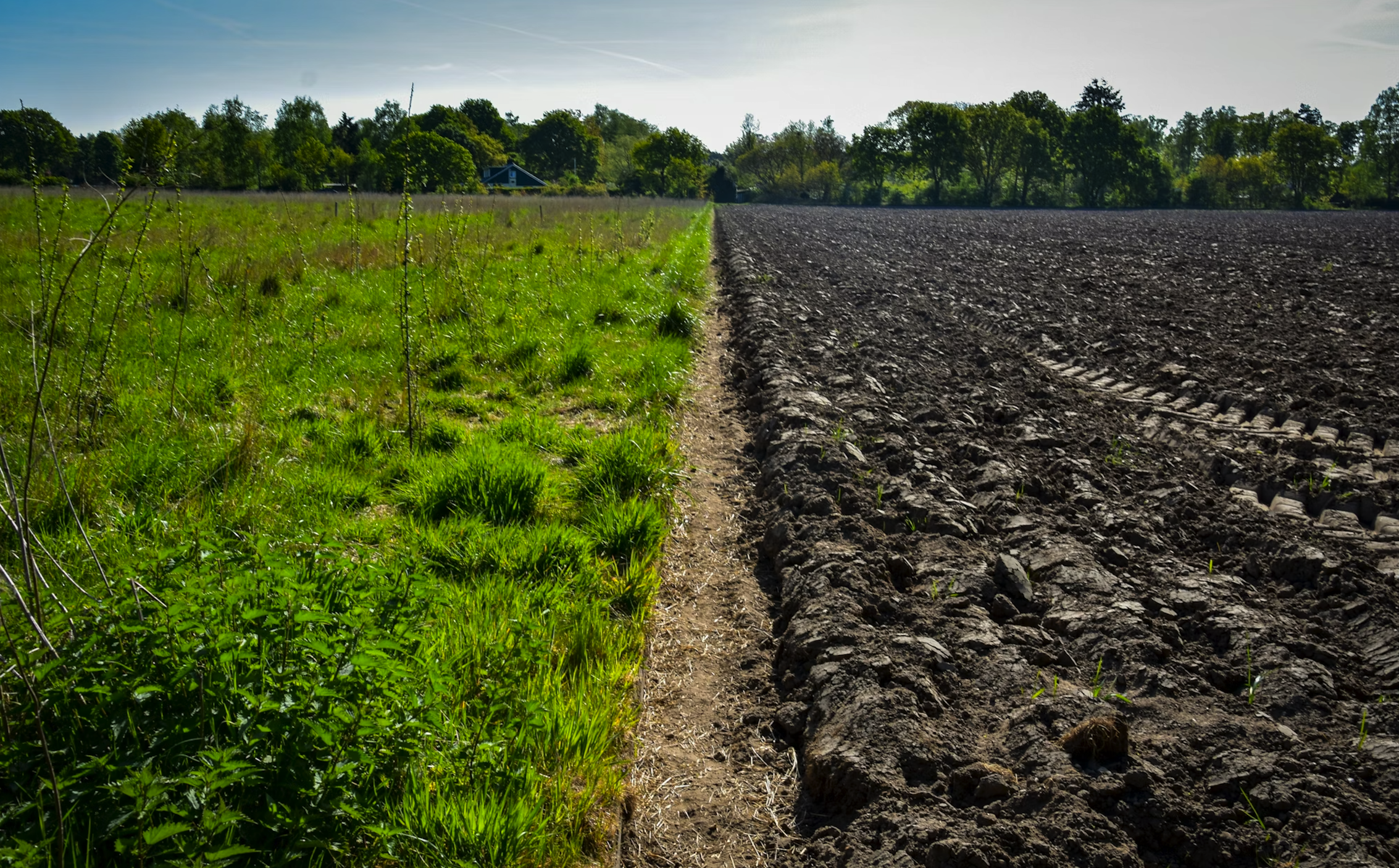

As global industries race toward net-zero emissions, carbon farming has emerged as one of the most practical, scalable, and nature-based climate solutions. Unlike traditional carbon offsets that rely on avoided emissions, soil carbon sequestration physically removes CO₂ from the atmosphere and stores it securely in the ground—supporting healthier soils, more resilient crops, and long-term environmental benefits.

But a major challenge remains:
How do we commercialize carbon farming at scale?
This is where Carbon Farming as a Service (CFaaS) comes in. By introducing structured service models, digital platforms, and transparent revenue-sharing frameworks, CFaaS makes it easier for farmers, corporations, and carbon markets to participate in high-quality soil carbon sequestration.
This article explores how CFaaS works, the commercial models behind it, and why it is essential for the future of sustainable land management.
1. What Is Carbon Farming as a Service (CFaaS)?
Carbon Farming as a Service is a business model that helps landowners adopt regenerative agricultural practices while giving corporations access to verified soil carbon credits. Instead of farmers managing everything themselves, CFaaS providers offer a full ecosystem of support, including:
- Soil testing and carbon baseline assessments
- Regenerative farming practice design
- Monitoring and verification
- Digital MRV (Measurement, Reporting & Verification) platforms
- Connection to carbon buyers and marketplaces
- Long-term contract management
The result is a turnkey pathway for farmers to adopt carbon-positive practices while generating new revenue streams from soil carbon sequestration.
2. Why Carbon Farming Needs a Service-Based Commercial Model
Traditional carbon projects are resource-heavy, complex, and expensive. Farmers must invest in practice changes, collect data, validate the carbon sequestered, and navigate carbon markets. Few have the time or resources.
A service model solves this by providing:
✔ Lower barriers to entry
Farmers can participate without upfront cost or risk.
✔ Professional guidance
Expert agronomists and carbon specialists design practices tailored to each farm.
✔ Verified carbon outcomes
Standardized methodologies ensure carbon credits meet market and industry requirements.
✔ Commercial transparency
Multiple stakeholders—farmers, project developers, buyers—operate under clear contracts.
CFaaS essentially removes friction, making soil carbon sequestration a viable commercial activity.
3. Core Commercial Models in CFaaS
CFaaS is not a single model—it is a spectrum of commercial structures designed to fit the needs of different regions, farming systems, and carbon marketplaces. Below are the most common ones.
Model 1: Performance-Based Revenue Sharing
This is one of the most widely adopted models.
How it works:
- Farmers implement regenerative practices.
- Soil carbon is measured, verified, and credited.
- The revenue from carbon credit sales is shared between the farmer and the CFaaS provider.
Typical splits vary from 70/30 to 50/50 depending on who carries the cost of MRV and program management.
Why it works:
Farmers earn new income; service providers get rewarded only when carbon is delivered—aligning incentives for measurable results.
Model 2: Subscription or Membership Model
Farmers pay a fixed monthly or annual subscription to access:
- Advisory services
- Digital soil carbon tracking
- Practice recommendations
- Basic carbon reporting tools
This model works best for:
- Farmers who want to self-manage
- Regions where carbon markets are less mature
- Early-stage regenerative agriculture transitions
It is simple, predictable, and cost-efficient.
Model 3: Farm Financing + Carbon Credit Repayment
This model offers upfront financing to farmers who need capital to start regenerative practices (cover crops, rotational grazing, equipment upgrades).
Farmers repay the investment using a portion of earned carbon credits.
Benefits:
- Removes upfront cost barriers
- Accelerates adoption in emerging markets
- Aligns financial incentives with climate outcomes
This model is particularly helpful in regions with smallholder farmers.
Model 4: Corporate Pre-Purchase Agreements
Corporations commit to purchasing future carbon credits from CFaaS providers.
This creates:
- Guaranteed revenue for farmers
- Predictable supply for companies
- Lower project risk
- Faster scaling of soil carbon programs
Large corporations increasingly prefer pre-purchase models to meet decarbonization targets with reliable, nature-based solutions.
Model 5: White-Label or Enterprise Carbon Farming Solutions
In this model, CFaaS providers build and manage carbon farming programs on behalf of:
- Food & agriculture companies
- Consumer brands
- Supply chain partners
- Government sustainability programs
The organization owns the carbon program, but the CFaaS provider handles the technology, MRV, and implementation.
This is ideal for companies with large supplier networks or ESG commitments.
4. Digital MRV: The Backbone of CFaaS
The success of carbon farming as a commercial model depends heavily on digital MRV systems. These platforms combine:
- Soil sampling
- Remote sensing
- Machine learning
- Satellite data
- Carbon modeling
- Blockchain or registry integrations
Digital MRV enables:
✔ Accurate carbon quantification
Ensuring credits meet global standards like Verra, Gold Standard, or government frameworks.
✔ Lower project costs
Reducing manual data collection and verification steps.
✔ Farmer-friendly reporting
Giving landowners clear insights into carbon performance.
✔ Transparency for buyers
Corporations can trace exactly how and where carbon is stored.
Without digital MRV, CFaaS would not be scalable or financially viable.
5. Farmer Incentives: The Heart of CFaaS
A commercially sustainable carbon farming ecosystem must prioritize farmers. Key incentives include:
- New revenue streams from carbon markets
- Improved soil health and crop yield
- Greater drought resilience
- Long-term land value increases
- Reduced fertilizer and chemical dependency
The best CFaaS models integrate agronomic outcomes with carbon outcomes—building soil health while sequestering CO₂.
6. Challenges Ahead for CFaaS Providers
While CFaaS is rapidly expanding, several challenges must be addressed:
1. Variability in soil carbon measurement
Different regions and soil types respond differently to regenerative practices.
2. Market volatility in carbon prices
High-quality soil carbon credits still lack global price stability.
3. Complexity of verification methodologies
Standardization across global markets is still evolving.
4. Farmer onboarding and retention
Long-term commitments are needed but adoption can be slow.
5. Ensuring permanence and additionality
Carbon programs must prove the carbon will stay stored for decades.
Leading CFaaS providers are investing heavily in technology, training, and transparent commercial structures to overcome these challenges.
7. The Future of Carbon Farming as a Service
CFaaS is set to become a cornerstone of nature-based climate solutions. Its tech-enabled, farmer-focused, and commercially transparent approach makes soil carbon sequestration:
- Scalable
- Profitable
- Scientifically credible
- Environmentally sustainable
- Attractive to corporate buyers
As global net-zero commitments increase, the demand for high-quality soil carbon credits will rise—and the CFaaS model will help supply it in a consistent, measurable, and trustworthy way.
Carbon farming is no longer just a concept—it is becoming a commercial engine for environmental restoration.
最新职位